OnlyFans PPV strategy is not about setting a price and pressing send. A strong OnlyFans PPV strategy is not about price – it is about structure. And most creators have never built the structure.
They create content, attach a price, blast everyone on their list, and wait. When the unlock rate stays at 2% they try a different price. When that fails they try different content. The cycle repeats. The income stays flat.
After reviewing dozens of creator accounts and thousands of PPV transactions, a clear pattern appears. The content is rarely the problem. The system behind it — or the absence of one — almost always is.
The difference between creators earning $900 and $4,200 from the same audience size often comes down to one thing – whether they have a real OnlyFans PPV strategy or are simply sending content whenever they feel like it.
We reviewed two accounts recently. Similar niche. Both with 800 subscribers. One earning $4,200 a month. The other $900. The content quality was comparable. The difference was a single number — PPV unlock rate. 18% versus 2.3%.
The creator earning $4,200 had a system behind every message she sent. The other had a habit.
This article is that system.
The Thinking Most Creators Never Apply
Before any PPV tactic makes sense, one mental shift has to happen.
You are the brand. Your content is the product. PPV is the pricing.
Think about how Netflix operates. They do not offer one plan to everyone. Basic. Standard. Premium. Each tier is deliberately designed to give the user what they need at their level – and to make the next tier feel worth upgrading to.
A Basic subscriber gets access. A Premium subscriber gets 4K on multiple screens. Same platform. Completely different product experience. Different price. And Netflix makes sure each tier leaves you wanting a little more of what the next one offers.
Your PPV should work exactly the same way.
Not one price for everyone. A deliberate structure – something accessible for the curious new subscriber, something more exclusive for the engaged fan, something premium for the committed buyer, something truly personal for the high spender.
Each tier designed so the person receiving it feels it was made for them – and curious about what the next level looks like.
But before any of that works, one thing has to exist first.
Your Free Page Is a Storefront – Most Creators Leave It Empty
If someone visits your free page and sees a profile picture, a banner and a bio – they see a closed shop. No content visible. No likes. No comments. No personality. Nothing that tells them whether this creator is worth their attention or their money.
A free page subscriber has made zero financial commitment. They are evaluating. They are asking one question before they do anything else – is this person real and worth my time?
Free content on your page answers that question. Visible likes and comments answer it louder. A page with 30 to 40 posts, some free some paid, genuine engagement and a clear personality converts visitors into subscribers at a completely different rate than an empty one.
Your free page is not just a lead magnet. It is your brand in action. Every free post is a trailer. Every visible comment is social proof. Every like is a signal that other people already decided this creator is worth their attention.
Before you worry about PPV pricing or message strategy – look at your free page right now. Does it look like a brand someone would want to subscribe to? Or does it look like you showed up but forgot to open the store?
A creator with an empty storefront struggles with PPV for a simple reason – subscribers have not yet built enough curiosity or trust to buy anything. The free page is not separate from your PPV strategy. It is the foundation it sits on.
Once the storefront is built, the next decision is understanding who just walked through the door.
The Five Fan Segments – Not Everyone Gets the Same Offer
This is where the Netflix model comes to life for creators. Netflix does not show a first-time visitor the same offer as a long-term subscriber. They read where you are in your relationship with the platform and present accordingly.
Every fan on your page sits in one of five distinct segments. Each segment needs a completely different PPV approach – different price, different message, different timing.
Segment 1 – The Curious Visitor
Just arrived. Subscribed to a free page or just joined a paid page. Making no financial commitment yet or just made their first one. They are evaluating whether this creator is worth spending money on.
PPV approach: lowest barrier entry. $5 to $8. Content that creates curiosity rather than delivers completion. If you want better, create bundle, each item in bundle offering different value. The goal here is not revenue – it is the first purchase. That first purchase changes the psychological relationship permanently. They become a buyer. And buyers behave completely differently from subscribers.
The message should not describe the content. It should create enough curiosity that spending $6 feels like the obvious next move.
Segment 2 – The Engaged Subscriber
Has been on your page for a week or more. Liking posts. Viewing stories. Maybe replied to a message. Warming up but has not bought yet.
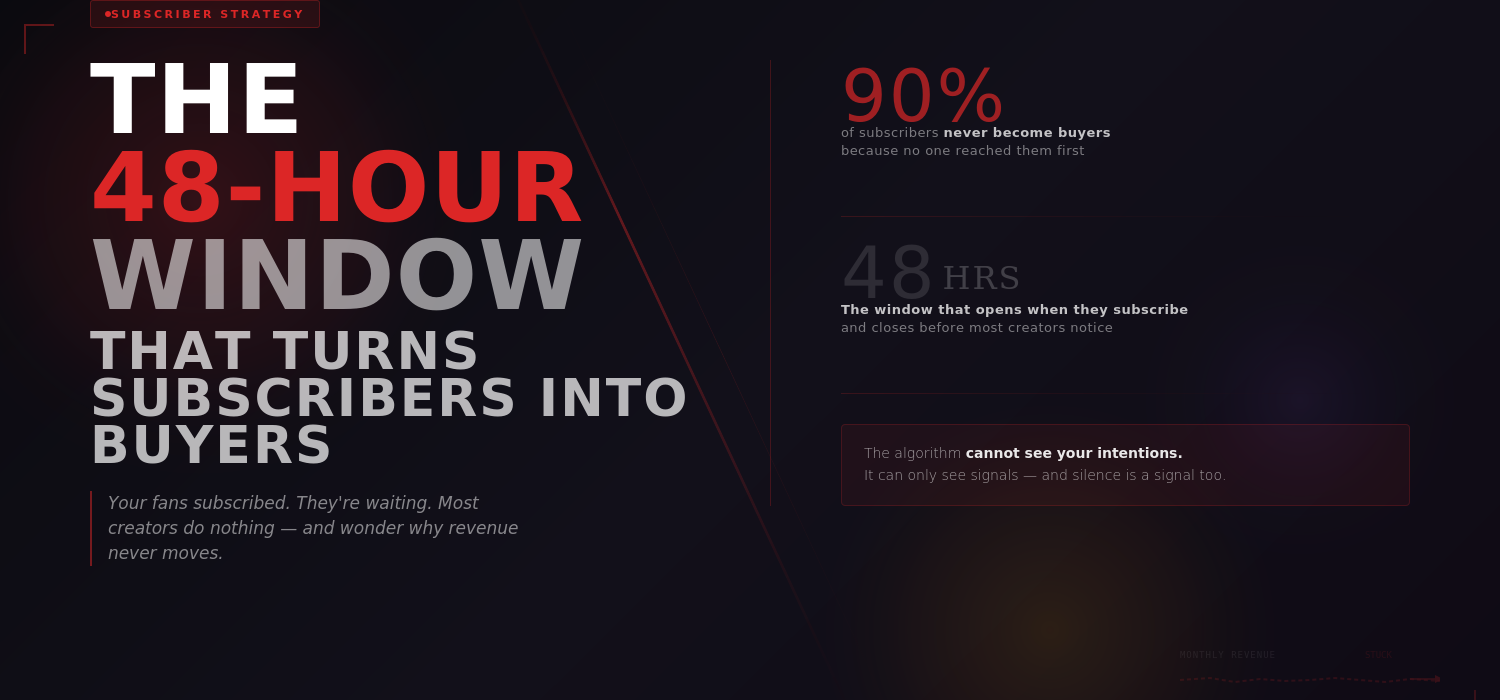
This is the fan sitting in the 48-Hour Window territory — if that window passed without a purchase, they settled into passive behavior. The right move now is a connection message before any PPV. Reawaken the relationship first. Then introduce a mid-range offer — $10 to $20 — framed around something they have already engaged with.
Segment 3 – The Active Buyer
Has purchased once or twice. Crossed the psychological threshold. Trust exists. This fan deserves a completely different experience from everyone else. Their PPV offer should be higher priced $15 to $35, exclusively framed and personally written. They should feel they are receiving something the rest of the list is not getting.
Use the filter inside the recipients section when composing a mass message and select fans who have spent money. One filter. The highest-converting audience on your page – separated from everyone else in 10 seconds.
Segment 4 – The High Spender
Buys consistently. Emotionally connected. Price is rarely the barrier. This fan is not buying content. They are buying connection, exclusivity and the feeling of being close to someone they genuinely admire. The PPV offer at this level – $30 to $75 – should feel personal, exclusive and slightly out of reach for the general audience.
They should feel like they are in a different room from your regular subscribers. Because they are.
Segment 5 – The Whale
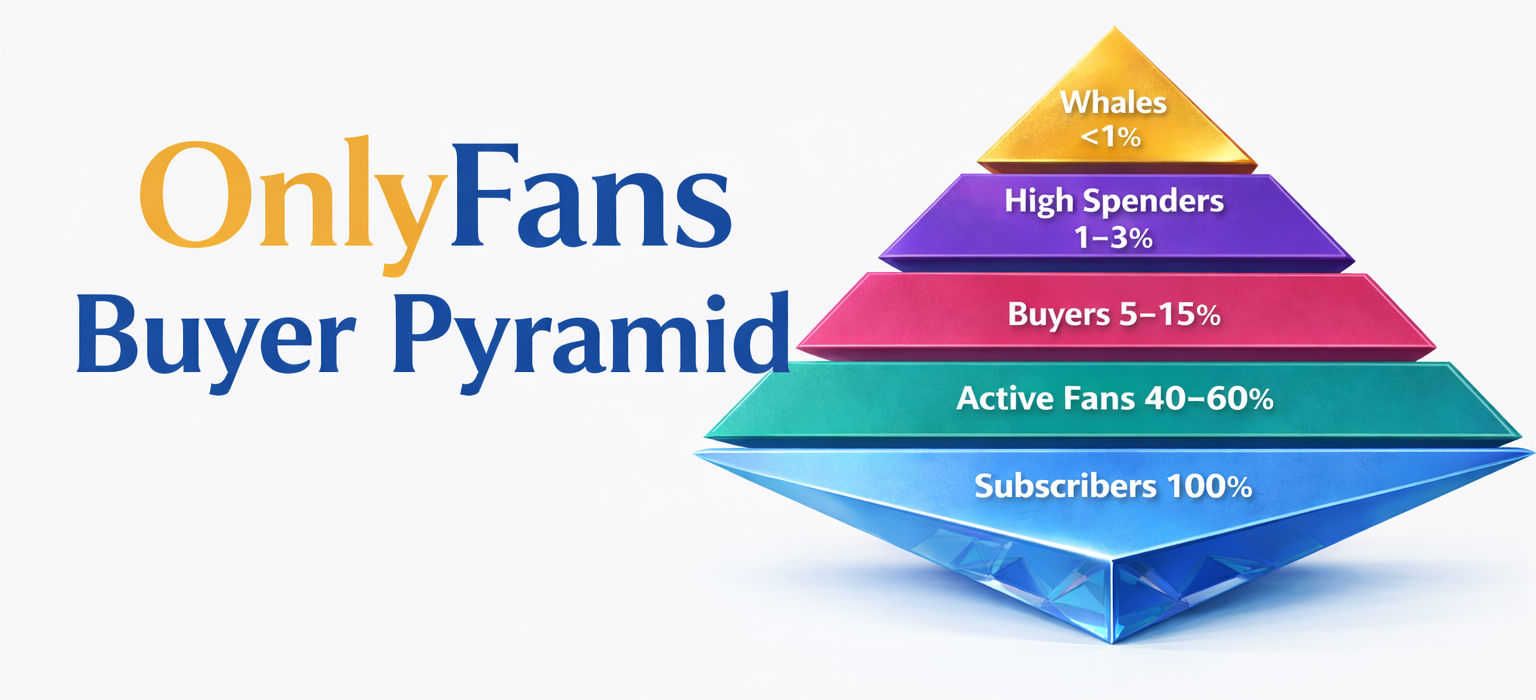
Less than 1% of your audience. Relationship-driven spending. Can represent 20 to 50% of your monthly revenue.
This segment does not receive mass PPV. They receive personal attention. Custom content requests. A relationship that feels genuine because it is. The PPV offer for a whale is often a conversation — what do you want, and what would that be worth to you.
The CGS PPV Conversion Ladder
Subscriber — Just arrived, evaluating
      ↓
Curious Buyer — First purchase, barrier removed
      ↓
Engaged Subscriber — Warming up, relationship building
      ↓
Active Buyer — Trust exists, exclusivity matters
      ↓
High Spender — Connection-driven, premium pricing
      ↓
Whale — Relationship first, everything else follows
The key idea: not every subscriber should receive the same PPV message. Segment first. Price and message accordingly. The same content sent to the wrong segment at the wrong price will consistently underperform.
Reading New Subscribers – Before Purchase History Exists
Here is a question most creators cannot answer: how do you know what to offer a subscriber who has never bought anything? The answer is behavior signals. Within the first 48 hours a new subscriber tells you exactly how ready they are to spend – not through purchases but through actions.
They message you first without being prompted. Highest intent signal on the platform. This fan is actively seeking connection. A low-price personal PPV sent in response to their message – not as a mass send – will convert at a rate that surprises most creators. Do not wait. Respond, warm the conversation, then introduce the offer within the same exchange.
They like multiple posts immediately after joining. Content-motivated subscriber. They subscribed because something in your content appealed to them and they are exploring it now. Reference what they engaged with in your next message. A PPV that feels like a continuation of what they already liked will outperform any generic offer.
They view stories but never reply or like. Passive curiosity. Watching but not participating. This fan needs more time before any PPV. A personal connection message – no offer attached – is the right first move. Give the relationship 48 hours to warm before introducing anything paid.
They do nothing for the first 48 hours. Either an impulsive subscription or a very passive consumer. A warmup message is essential before any PPV. A cold offer to a completely silent subscriber will train them to ignore everything you send after it.
The $7 Rule
Across free-page creator accounts we have reviewed, the first purchase most commonly happens between $5 and $8. Not $15. Not $25. The $5 to $8 range removes enough financial friction that curiosity converts into action.
What happens after that first purchase is what makes this insight important. Once a fan crosses the payment threshold – even for $6 – their price tolerance for the next offer jumps significantly. Fans who bought a $7 PPV will regularly purchase $20 to $30 content in the weeks that follow.
The first purchase is not about revenue. It is about the psychological shift from subscriber to buyer. Price accordingly.
Key idea: for new subscribers with no purchase history, behavior signals tell you their readiness before any data exists. The $7 rule removes the barrier to the first purchase – and that first purchase changes everything.
Using Buyer Data to Predict the Next Sale
For existing buyers, the guesswork disappears entirely. The information is already sitting inside individual fan profiles – most creators just never read it deliberately.
Go into any buyer’s profile. You will find what they bought, when they bought it, how much they spent, whether they tipped afterward and whether they responded to your post-purchase follow-up.
Together those data points tell you four things:
What format they prefer. A fan who consistently buys video PPV over photo sets is telling you their preference clearly. Match the next offer to what they have already chosen.
What price ceiling they are comfortable with. If three purchases happened at $15 to $20 and nothing higher, increase price gradually as trust deepens – not suddenly.
When they are most likely to buy. If purchases cluster on Saturday evenings, that is when this fan is active and in spending mode. Time personal PPV messages accordingly.
How emotionally connected they are. A fan who tips after every purchase and replies to your CGS Post-Purchase Message is a relationship buyer approaching the high-spender layer. More personal attention — not more mass PPV — is what moves them forward.
Key idea: for existing buyers the data is already there. Read it before every send. The pattern inside a fan’s purchase history tells you what to offer next, what to charge and when to send it.
Bundle Architecture – The Revenue Multiplier Most Creators Ignore
A single video at $15 competes against the question: is this one piece worth $15?
A bundle of three videos for $35 reframes the decision entirely. The fan is now calculating value – three pieces for $35 feels like getting one free. The mental math works in your favor and your revenue per transaction more than doubles.
Top creators do not just price individual pieces. They build a product line.
The Theme Bundle Content grouped around a consistent mood or style. Fans who loved one piece want more of the same feeling. Price at 1.8 to 2.2 times the individual price. The connection between pieces is what justifies the bundle — not just the number of files.
The Archive Bundle Older high-performing content repackaged for new subscribers who missed it. You generate revenue from content already created. Especially powerful for free-page creators who have been posting for more than six months.
The Seasonal Limited Bundle Valentine’s. Thanksgiving. New Year. Occasion-specific, time-limited, combining bundle value with seasonal urgency. One of the highest-converting PPV formats consistently.
The Escalating Tier Bundle Three options — entry, standard, premium. Each tier adds more content and a better price-per-piece ratio. Fans self-select their spending level. You capture revenue from every type of buyer instead of forcing everyone into one decision point.
Bundle pricing framework:
- Entry (2–3 pieces): 1.5–1.8x individual price
- Standard (4–6 pieces): 1.8–2.2x individual price
- Premium (7+ pieces): 2.2–2.8x individual price
The goal is never to discount. It is to create a value perception that makes the bundle feel like the obviously better choice.
Key idea: bundles reframe the purchase decision from “is this one piece worth it” to “this is clearly better value.” That mental shift alone increases average transaction value significantly — using content you have already created.
Seasonal and Timing Strategy – The Calendar Most Creators Never Build
Fans are not equally active or equally willing to spend every day of the year. The creators who understand this build a PPV calendar. The ones who do not send the same type of content at the same time every week and wonder why results are inconsistent.
Weekends Are Your Highest Converting Window
Thursday evening through Sunday consistently outperforms weekday sends across creator accounts at every revenue level. Fans are relaxed. They have time. The spending mindset is different from a Tuesday morning.
Save your highest-value PPV for Thursday night or Friday morning sends. Same content, same price, sent on a Friday instead of a Tuesday will consistently generate a higher unlock rate.
Valentine’s Week – February 8 to 14
For many creators this is one of the highest revenue opportunities of the year. Spending on connection, intimacy and personal attention spikes across the platform during this week. Some niches — particularly Halloween, Christmas or creator birthday launches — may outperform Valentine’s. But for most creators this week deserves a planned approach rather than a single mass message.
Treat it like a product launch not a single send.
February 8 to 10: teaser content and personal connection messages. No PPV yet. Build anticipation. February 11 to 12: entry Valentine’s PPV. Accessible price. Wide send including warm subscribers. February 13: premium exclusive Valentine’s bundle or PPV. Buyers only. Higher price. February 14: personal messages to your high spenders and whales. Not mass. Individual. This is the day that generates tips and custom content requests that can equal an entire regular month of PPV revenue.
Key idea: the seasonal calendar is predictable revenue waiting to be planned. Creators who map their PPV calendar three months ahead consistently outperform creators who decide what to send the week it happens.
Thanksgiving Weekend – Thursday Through Cyber Monday
Most creators ignore this window. That is a mistake.
US-based fans — your primary audience — are at home for five days in a spending mindset shaped by the retail environment around them. That psychology extends beyond shopping. PPV conversion spikes during this window consistently.
A Thanksgiving-themed PPV does not need to be explicitly holiday content. It needs to arrive during this window with a sense of occasion — something limited, something worth treating yourself to.
Christmas Week vs New Year – Treat Them as Two Separate Campaigns
Christmas week: fans are distracted, with family, less active. This is not the moment for aggressive PPV. A warm personal message to your top buyers — something small and unexpected, a free piece of content, a personal note — builds more long-term loyalty than any mass offer this week.
New Year: completely different energy. Fans are reflective, forward-looking and statistically more willing to make decisions they have been putting off — including spending on content they have considered but not yet bought. A New Year PPV framed around new content, new energy, something different converts consistently well.
The Listening Layer – The Signal Most Creators Miss Completely
Your subscribers are telling you exactly what they want to buy. In almost every message they send. In the content they comment on. In what they say after unlocking a PPV.
Most creators are not listening. They are waiting for the conversation to end so they can send the next offer.
Here is what listening actually looks like:
A subscriber says: “Do you ever do anything more intense?” They just told you what PPV to send them next and approximately what price they will pay for it.
A subscriber says: “I love the outdoor ones you post” They just told you the theme of their next purchase. An outdoor-themed PPV sent personally to this fan within the next week will convert at a rate that has nothing to do with your general audience.
A subscriber says: “I’ve been following you for a while but never bought anything” They are warm, aware they have not purchased, and subtly signalling they are considering it. This is the moment for a low-barrier entry PPV sent personally — not a mass send — with a message that references their presence directly.
Every message a subscriber sends is data. Every comment is a preference signal. Every question is a purchase intent indicator.
Creators who read those signals and respond to them — even occasionally, even for their 20 most engaged fans — consistently outperform creators with twice their subscriber count who never read the signals at all.
Key idea: every message a subscriber sends is data. Every comment is a preference signal. Every question is a purchase intent indicator. The creators who listen before they sell convert at a rate that has nothing to do with audience size.
CGS PPV Benchmarks
| Audience Segment | Expected Unlock Rate |
|---|---|
| New subscriber — no interaction yet | 1–4% |
| New subscriber — messaged you first | 8–15% |
| Warm subscriber — personal exchange in last 7 days | 10–20% |
| Existing buyer | 15–30% |
| High spender / loyal fan | 25–45% |
| Seasonal send — warm audience | 18–35% |
| Bundle offer — existing buyers | 20–40% |
| Expired fan reactivation PPV | 2–8% |
If your overall PPV unlock rate is consistently below 5%, the problem is almost never the content. It is the system — or the absence of one — behind it.
If you read those numbers and realised your unlock rate sits closer to 2% than 15% — you are not alone. Most creators never see these benchmarks, which is exactly why they assume their results are normal. They are not normal. They are fixable.
What Your PPV Unlock Rate Is Telling You
Below 5% consistently: Relationship problem. Fans are not warm enough when the offer arrives. Stop PPV for one week. Send only connection messages. Reintroduce PPV to a warmed audience after 7 days.
5% to 10%: Relationship is working but message language or targeting has room to improve. Check whether buyers and non-buyers are receiving the same message. Check whether your message describes content or creates desire.
10% to 20%: Your system is working. Focus on moving more subscribers into the buyer layer. Read the CGS Buyer Pyramid to understand how to do that.
Above 20% consistently: Operating at the top tier. The opportunity now is premium pricing, bundle architecture and seasonal strategy to maximise revenue per fan.
Five PPV Mistakes That Kill Revenue
1. No plan before the send. Every PPV should be planned — who receives it, what price, what message, what comes before it, what follows after. Unplanned PPV is the single biggest revenue leak in stuck accounts.
2. Same message to every fan regardless of history. One filter change in your recipients section separates buyers from non-buyers. Use it every time.
3. Describing content instead of creating desire. Nobody buys a description. They buy a feeling. The message should make a fan feel something — not explain what the file contains.
4. Ignoring the seasonal calendar. Valentine’s week, Thanksgiving weekend and New Year are three of the highest-converting windows of the year. Creators without a planned calendar leave predictable revenue on the table every single year.
5. Silence after the unlock. A fan who just bought is in their most valuable moment. Send the CGS Post-Purchase Message within the hour. Every time without exception.
Frequently Asked Questions
What is a good PPV conversion rate on OnlyFans? For existing buyers 15 to 30% is healthy. For warm subscribers anything above 10% indicates strong relationship building. A consistent overall rate below 5% almost always points to a relationship or targeting problem — not a content problem.
How often should I send PPV? For every PPV message you send, send at least two connection or warmup messages. Creators who send PPV more than 60% of the time train their audience to ignore them. The ratio matters more than the frequency.
Does page type change PPV strategy? Significantly. Free page subscribers have made zero financial commitment — entry price and visible free content are essential. Paid page subscribers have already crossed the payment threshold — higher pricing and exclusivity work earlier. A free plus VIP mix needs completely separate PPV strategies for each page.
When is the best time to send PPV? Thursday evening through Sunday consistently outperforms weekday sends. Within seasonal peaks — Valentine’s week, Thanksgiving weekend, New Year – engagement and conversion spike further. Send your highest-value PPV on Friday or Saturday evening.
How should I price a bundle versus individual PPV? Price the bundle at 1.5 to 2.8 times the individual price depending on how many pieces are included. The goal is not discounting — it is creating a value perception that makes the bundle feel like the obviously better decision.
If your PPV unlock rate is consistently under 5% and you want to understand exactly why — your audience segmentation, your message language, your timing — book a free revenue analysis here. We look at your specific numbers and tell you exactly what to fix first.
Read the CGS Buyer Pyramid — the foundation behind every PPV targeting decision.
Read The OnlyFans DM Strategy — the conversation before the PPV determines whether it sells.
Read The OnlyFans Buyer Retention Strategy — what to do the moment a fan unlocks your content.
Read The 48-Hour Window – what happens in the first two days that sets up everything that follows.